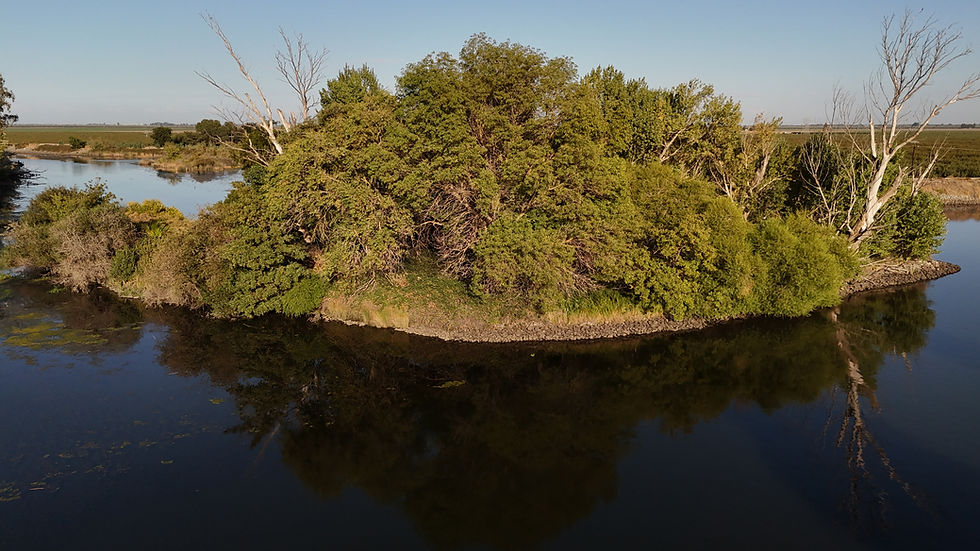
Navigating Title Insurance Challenges When Selling Your California Private Island - Goldrift Island example

Updated: Jun 2
Selling a Private Island in California: Navigating Title Insurance Challenges
Selling a private island in California is a rare and exciting opportunity. However, one of the biggest hurdles sellers face is securing title insurance. Title insurance protects both buyers and sellers from potential legal issues related to property ownership. Obtaining this insurance for a private island can be complicated due to unique factors such as unclear ownership history, environmental regulations, and access rights. This post explores the challenges of getting title insurance for a California private island and offers practical advice to help sellers navigate the process smoothly.

Why Title Insurance Matters for Private Island Sales
Title insurance protects against financial loss from defects in the title that were unknown when the property was purchased. For a private island, this protection is crucial because:
Ownership can be complex: Islands may have multiple past owners, unclear boundaries, or overlapping claims.
Access rights may be disputed: Easements or rights of way to the island might not be well documented.
Environmental restrictions apply: California has strict coastal and environmental laws that can affect property rights.
Market value depends on clear title: Buyers want assurance they won’t face legal battles after purchase.
Without title insurance, buyers may hesitate to invest, and sellers could face delays or lower offers.
Common Challenges in Getting Title Insurance for California Private Islands
1. Unclear or Incomplete Ownership Records
Many private islands have a long history of ownership transfers, sometimes dating back decades or centuries. Records may be incomplete or inconsistent, especially if the island was once part of public lands or involved in complex transactions. Title companies require a clear chain of ownership to issue insurance, so gaps or disputes can cause problems.
2. Boundary and Survey Issues
Islands often have irregular shapes and natural changes in shoreline due to erosion or tides. This can make it difficult to establish exact boundaries. Surveying an island accurately is essential but can be costly and time-consuming. Without a precise survey, title insurers may refuse coverage or add exceptions.
3. Access and Easement Rights
Access to a private island is usually by boat, and sometimes there are shared docks or rights of way through neighboring properties. If these access rights are not clearly documented, title insurers may see this as a risk. Buyers want to be sure they can reach the property without legal obstacles.
4. Environmental and Regulatory Restrictions
California enforces strict laws protecting coastal and marine environments. These regulations can limit development, require permits, or impose conservation easements. Title insurance companies may require disclosure of these restrictions and may exclude coverage for issues arising from them.
5. Limited Title Insurance Providers
Not all title insurance companies are willing to insure private islands due to the unique risks involved. Sellers may need to seek specialized insurers or work with brokers experienced in island properties.
Steps to Overcome Title Insurance Challenges
Conduct a Thorough Title Search Early
Start with a detailed title search to uncover any liens, claims, or disputes. This search should include:
Historical ownership records
Public land records
Easements and rights of way
Environmental liens or restrictions
Hiring a title company familiar with island properties can help identify potential issues early.
Obtain a Professional Land Survey
A precise survey defines the island’s boundaries and any structures or improvements. This survey should:
Use modern GPS and mapping technology
Account for tidal changes and erosion
Identify any encroachments or boundary disputes
A clear survey reassures title insurers and buyers alike.
Clarify Access Rights
Document all access arrangements, including:
Boat docks or moorings
Easements through neighboring properties
Any agreements with local authorities for public access
Providing clear evidence of legal access reduces insurer concerns.
Disclose Environmental Restrictions
Gather all relevant permits, conservation easements, and regulatory documents. Transparency about environmental rules helps insurers assess risks and avoid surprises.
Work with Experienced Professionals
Engage real estate agents, title insurers, and attorneys who specialize in waterfront or island properties. Their expertise can guide you through complex legal and insurance requirements.
Our Experience: Selling Goldrift Island Property
A seller on Goldrift Island came to us after discovering their previous agent never disclosed that the property couldn’t obtain title insurance. The agent then disappeared after the cash sale, leaving them with an island they barely used for 20 years. After helping them sell another home, they entrusted us with the island as they entered retirement. When we took the listing and contacted many escrow companies, all of which said they couldn’t insure the property, we faced hard challenges. The preliminary title report revealed a $600,000 lien from the 1980s, which could have become the buyer’s responsibility without title insurance.
Tips for Buyers and Sellers of California Private Islands
Start early: Begin title searches and surveys well before listing the property.
Be transparent: Disclose all known issues to avoid surprises during escrow.
Budget for extra costs: Surveys, legal fees, and specialized insurance can add to expenses.
Consider title insurance endorsements: These can provide additional protection for unique island risks.
Stay informed about local laws: Coastal and environmental regulations can change and impact ownership rights.
What to Expect During the Title Insurance Process
Application and Title Search: The insurer reviews public records and property history.
Risk Assessment: The insurer evaluates potential risks such as unclear boundaries or access.
Survey Review: A current survey is examined to confirm property lines.
Issuance of Commitment: The insurer issues a commitment outlining coverage terms and exceptions.
Resolution of Issues: Any title defects or concerns must be resolved before closing.
Policy Issuance: Once all conditions are met, the title insurance policy is issued.
Understanding this process helps sellers prepare and avoid delays.
For more guidance on selling unique or complex properties, book a consultation with Anna & Scott today. We are here to help you navigate even the toughest real estate challenges with clarity and confidence.

Comments